|  News  |  Digital Products  |  Recipes  |  Shopping  |  Personal Care  |  Amazon Gift Ideas
Showing posts with label Health Update. Show all posts

Sunday, 22 September 2019

How to have good health?


Being healthy not only means taking care of physical aspects, but also your well-being and mental health are equally important. If you have an appropriate psychological health, you can develop your potential being able to face positively the stressful situations that occur in your life, such as the loss of a loved one. In turn, you can spend and share your time with your family, friends and the surrounding community.

Valuing yourself and accepting yourself is a key aspect of maintaining your psychological health, which will allow you to enjoy life completely. However, if this becomes a fight , your ability to sense, express and manage your positive and negative emotions - especially anger - will be affected. For example, if you have a permanent physical illness, have retired or have been fired, you may feel low-spirited and stressed. These feelings usually happen, but sometimes they develop other more serious problems, such as depression or anxiety. Therefore, having quality mental health will safe guard you from developing these disorders.

Try to follow these 10 tips to feel a physical, emotional and mental well-being:

1. Follow a healthy and balanced diet.
2. Drink sensibly.
3. Stay active.
4. Rest.
5. Sleep well.
6. Externalize your feelings.
7. Ask for help when you need it.
8. Accept yourself as it is.
9. Be in touch with your friends and loved ones.
10. Smile and laugh.

Follow a healthy and balanced diet

It is no secret that eating a healthy and balanced diet helps you maintain a healthy weight and reduce the risk of diseases such as diabetes, heart disease or a stroke. Food, after all, is the power source of our body. You cannot put diesel in a gasoline machine, so, in relation to this, you should not feed improperly - this will only make you feel bad.

Drink sensibly

Alcohol is a depressive euphoriant and affects brain functions. If you do not drink sensibly, or drink large amounts for a long period of time, you will have the risk of developing mental problems such as anxiety or depression. In addition, you should not take drugs, such as cannabis or ecstasy as they increase the potential risk of damaging the brain.

Stay active

Taking part in regular physical activity helps your brain release the so-called happiness hormones (endorphins), which help improve the feeling of being star. Do what entertains you most, such as a team sport, dancing, cycling or walking. Exercise like tai chi will also help you feel Effective.Try to be active at all times: people who are unemployed or who suffer from a disease have the lowest self-esteem and are more depressed.

Rest

Negative changes that occur in life, such as the loss of a loved one, divorce, being unemployed or retired can be key to feeling bad psychologically. Sometimes, you may feel that the world is coming and that you are unable to reach a goal. The key is to relax, even meditating, in order to manage emotions and reduce stress levels.

Sleep well

Feeling tired affects concentration, demotivates you and leaves you without energy. This can, in turn, affect mental health, so it is important to get enough sleep to feel rested and feel able to perform daily activities.

Externalize your feelings

Talking to others about how you feel will help you see everything from another perspective. Try to talk with the people closest to you so you can share your problems.

Ask for help when you need it

If you feel you cannot manage on your own, you should not feel guilty or ashamed for asking others for help. Losing a loved one or certain changes that may occur in life are difficult to overcome, so it is important to remember that you can ask for help and the advantages that this entails make a difference when it comes to taking a certain situation.

Accept yourself as it is

There are certain things that can change in your life. Seeing yourself as a worthy person, and not judging yourself with excessive zeal, will help you feel good and maintain an acceptable degree of happiness throughout your life.

In contact with your friends and loved ones

Maintaining good relationships with the people around you will strengthen you, since it is always important to have contact with friends and family, especially in times of need. Even if you have not seen someone for some time, invite him to eat, write him a letter or send him an e-mail.

Smile and laugh

This is simple and simple. Why don't you do it right now?


How To Make Good Healthy Habits


In this article, you will find many good healthy practices to follow in sequence to lead a positive healthy life. Above all else, our health is vital. To have an considerable amount of energy along with having a fit body, without illnesses, are just some of the senses we may achieve to have a feeling of overall happiness. In order for us to achieve healthy living, we need to be able to consistently exercise as well as follow a healthy meal plan. We need to rid ourselves of the words and practices of lazy and lethargic if we are to be truly healthy. Both mental and physical exercise is hard work, and we will need to work at it to remain healthy.

Junk foods are to be avoided at all costs, to make sure we never feel lathargic and dull. If you are over weight, you will probably have a higher chance of all kinds of health problems. By keeping up an optimum body weight, we can lessen the risk of getting some health problems.

Positive thinking can really help when it comes to being and remaining healthy. A great habit to undertake is to stay focused on more positive thoughts and dispel any negative thoughts or emotions. Not only can this assist you in your healthy practice goals but also in life in general, so it is a fantastic habit to take onboard. There are yoga and meditation type class that offer positive thought sessions to help you get rid of some of the negativity.

Consuming healthy foods will become a big part of your new healthier lifestyle. This can consist of a mix of simple foods such as fruits, lean meats, vegetables, nuts and many more. Keep well away from any foods that have been refined.

These days, a bad food diet can be one of the leading causes for a lot of illnesses. This can lead to such illness and disease like diabetes, obesity and cancer, just to name a few. The good news is that just by making small changes in your diet, you can get the benefits of improved health in a short period of time.

Exercising often can help you feel refreshed, especially if you exercise at the start of the day. Not only will exercising put you in a positive frame of mind but it will also make it easier to think and make the right choices when it comes to healthy foods. Some exercise activities to get involved in may include, swimming, cycling, walking, or organised sports. Don’t pick the exercise activities that you will not enjoy.

Also, don’t alter your lifestyle too much while starting. Try to make simple, smaller changes to your lifestyle in order to turn these into regular habits that you can enjoy.

The most productive weight-loss programs, or healthy eating plans that i have come across, is The Diet Solution Isabel De Los Rios created, that just make it easier to stick to a regular healthy diet plan.


The Importance of Healthy Foods


Have you ever wondered if nutrition and health are related? Do you think eating healthy is important? Of course! Just as a car needs fuel and constant maintenance to function properly, the human body requires food, exercise and a good mental attitude, to stay healthy and develop its full potential. Hence the importance of a good diet .

Food is necessary in all living beings , both in animals and in Human Beings, and that is why we must have a balanced incorporation of nutrients into our body, which is often referred to as Good Food, its compliance being fundamental for the development of life and different daily activities.

what is a good nutrition?
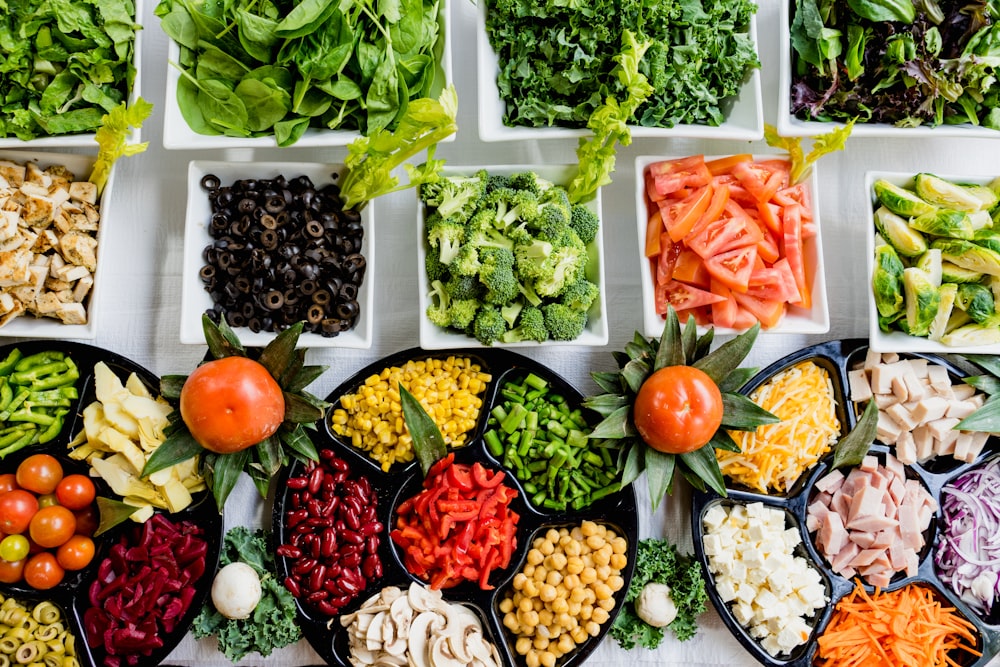

A good diet means that your body gets all the nutrients, vitamins and minerals it needs to work properly. To do this you must learn to plan your meals and snacks intelligently, so that they are rich in nutrients and low in calories.

It is usually justly linked to Good Nutrition with sports, to a life with exercises since Balanced Diets are usually adopted to be able to supplement these physical activities, while on the contrary the nutritional imbalances are usually related rather to a Sedentary Life and lacking physical exercise

Bad eating habits have contributed to the increase in obesity in the world. According to WHO, in 2014, more than 1.9 billion adults 18 years of age and older suffered from weight. Of them, more than 600 million were obese. Even for those with adequate weight, a nutrient-poor diet is associated with greater health risks, which can cause illness and even death.

Your decisions about what you eat affect your health and how you feel today, tomorrow and in the future.

healthy-cooking-food A balanced diet brings many benefits.


Many people think that eating healthy can only help reduce or maintain weight, but the benefits go beyond. Learning to properly balance our daily meals is necessary because:


• It gives us the vitality and energy necessary for life.

• It helps us maintain an adequate weight, according to age and height.

• Stimulates the immune system.

• Improves sports performance and in general, in any activity we do.

• Delay the aging process.

• It allows us to be active and fit during old age.

• Helps fight tiredness and fatigue.

• Protects teeth and keeps gums healthy.

• Improves the ability to concentrate and possible mood swings.

• Reduces the risk of serious diseases such as heart attacks, certain types of cancer, diabetes in adulthood and gallbladder diseases, among others.

The basics for healthy eating.

• Low in fat

The nutritionists agree that eating less saturated fat, in fried foods, butter, cream, margarine and oils is a way to make a healthy diet and lose weight. Reducing consumption is particularly important for the heart.

• Carbs and starches

We have forgotten how important rice, pasta, potatoes, bread and cereals are for our health. Previously it was believed that starch was harmful, but today it is known that it can become as important in a proper diet, such as fiber.

• High fiber content

Although sometimes we don't like it, fiber keeps our digestive system moving and helps lower cholesterol, prevent gallstones, bowel cancer and keep our weight under control. Fiber is found in cereals, in brown rice, barley, lentils, beans and vegetables.

• Vitamins, minerals and antioxidants

Vegetables, fruits and grains contain a lot of vitamins and minerals that work as antioxidants. Numerous studies show that people who eat a lot of legumes and fruits have lower rates of heart disease and cancer.

• Moderate sugar consumption

Sugar in modest amounts adds flavor and is a useful fuel for active people. However, consuming it in excess adds unwanted kilojules and can displace other more important foods. In chewable form, sugar can also cause tooth decay. .

• Little salt

The modern diet is loaded with salt and this is harmful to the heart. 75% of total salt intake comes from daily commercial foods; therefore it is imperative to buy products of reduced salt or without added salt.

By deciding to change habits and take steps to eat better, you will be providing your body with the nutrients it needs to stay healthy, active and strong. Making small modifications to your diet is simpler than you imagine. The important thing is always to document yourself properly and approach an expert to avoid decompensations that are worse in the long run.


What can I do to eat better?


  • Have breakfast every day.
  • Drink more water instead of soda or fruit juices that contain too much sugar. Try to drink at least 3 liters of water each day. Add a piece of lemon, lime or orange to give it more flavor.
  • Eat at regular times and avoid skipping meals or replacing a meal with a high-calorie and fat snack. If you are starving between meals, eat a healthy munch.
  • Keep snacks low in fat and calories in your home, work, or car to prevent hunger and avoid eating too much.
  • Eat a variety of fresh, canned or frozen fruits and vegetables of different colors every day. Vegetables of different colors provide different nutrients. Choose dark green leafy vegetables such as chard and spinach, and red and orange vegetables such as carrots, purple cabbage, red peppers and tomatoes. Sweet potatoes, strawberries, blackberries and papayas have a lot of flavor and provide many nutritious substances and few calories.
  • Choose whole or cut fruits more often instead of fruit juices. The juices have little or no fiber and add too much sugar.
  • Add vegetables to your favorite stews, sauces and soups.
  • Eat the foods you like but eat small amounts of foods with a lot of fat and calories, for example ice cream, and see how many times you eat them.
  • Read the "nutritional facts" on the labels to see the amount of fat and calories contained in the portion listed.
  • If you eat fast foods, try not to eat them every day and avoid eating large amounts of this type of food.
  • Many restaurants serve too much food. To control what you eat while enjoying, take some food home to eat the next day.
  • In addition to improving how and what you and your family eat, you can also make some small changes when cooking.


Tips for healthy cooking 


  • Before cooking, always remove the skin from chicken and turkey, and cut the excess fat from the meat.
  • Try to make more soups, especially those with carrots, potatoes, red and black beans and other vegetables or legumes that you like.
  • Prepare your baked, grilled, grilled, or steamed chicken or fish dishes instead of frying them.
  • Use healthy oils such as olive or canola oil instead of butter or butter.
  • Use only the egg whites and not the whole egg when baking or making egg tortillas.
  • Cook and eat meals with less salt. Use low-salt broths or citrus juices to flavor foods.
  • Add herbs and spices to season your meals instead of using creamy, fatty, or salty sauces.
  • Chill the soups and sauces and with a spoon remove the fat that forms on the surface before reheating or eating them.
  • Use a "spray" or vegetable spray to saute and bake, to prevent cakes from sticking to the molds.
  • When your food is cold, dry it with paper towels to remove excess fat, before serving.
  • Quick breakfast ideas
  • Low-fat yogurt with fresh fruits like strawberries.
  • Fresh or canned fruits (in its own juice).
  • Ideas for low-fat snacks
  • Whole wheat toast and low fat or skim milk.
  • Cereals with low sugar and not covered with sugar.
  • Smoothies made with fresh or frozen fruits and with mint or other herbs that you like.


Friday, 23 August 2019

Microplastics in drinking water not a health risk for now: WHO

Microplastics in drinking water not a health risk for now: WHO

The presence of microplastics in bottled water would not pose a risk to health, said the World Health Organization, which nevertheless calls for extensive research.

Microplastics in drinking water not a health risk for now: WHO

As public opinion begins to realize the need to fight against plastic, this pollutant has never been so present around us : in the air we breathe, on our plate and even in the water that we drink. It is precisely on its presence in drinking water that the World Health Organization has split a statement on Thursday, August 22. "It is urgent to know more about the health consequences of microplastics, because they are present everywhere, including in the water we drink," said Dr. Maria Neira, Director of Public Health, Environment and social determinants of health at WHO in a statement. "According to the limited information we have, microplastics in drinking water do not seem to pose health risks, at least at current levels, but we need to look deeper into this. of plastic pollution all over the world ".


In its analysis, WHO synthesizes the state of research on microplastics in drinking water. Verdict: "Those larger than 150 microns are in principle not absorbed by the human body, and the absorption of smaller particles should be limited," says WHO, "absorption and distribution of very small microplastic particles, especially nanoparticles, should however be higher, even if the data on this subject are very limited ".

THE IMPACT ON HUMAN HEALTH STILL UNKNOWN
The organization calls for a thorough assessment of microplastics in the environment and their potential consequences for human health. Among the fields of study to be explored: the measurement of microplastic particles in water, new studies on sources and the presence of microplastics in freshwater, and the evaluation of the effectiveness of different treatment processes . Treating wastewater effectively is a "way of removing more than 90% of the micro-plastics in these waters". However, "a large part of the world population does not currently benefit from adapted water and wastewater treatment systems".

Today, studies on the ingestion of plastic by humans are published in the drop-in. It is still difficult given the scant amount of current knowledge to measure the actual impact of this plastic contamination on the body, including via bottled water.

The available evidence is not reassuring: last June, a Canadian study based on lifestyles and consumption of Americans concluded that a man ingests 52,000 microparticles of plastic each year.

In March 2018, US researchers at Arizona State University in the United States unveiled the disturbing results of a test conducted on bottled water from 11 brands purchased at 19 locations in nine countries around the world. They argued that 93% of the samples analyzed were contaminated with plastic (polypropylene, nylon and PET). At what dose? On average 325 particles per liter.

Thursday, 10 August 2017

Qi Gong is good for what?

qi gong for beginners

Based on the principles of Chinese medicine, qi gong (or "energy mastery") preserves health by reuniting body, breath and spirit. To feel better in his head and in his body.

REGULATE EMOTIONS AND STRENGTHEN VITALITY

Stress, overwork, difficulty concentrating, lack of self-confidence , trouble sleeping ... The qi gong helps to step back in relation to his emotions, to find appeasement. It includes the rebalancing of the energies yin (feminine, cold) and yang (mascu-

Linen, hot), exercises of rooting (position of the tree ...), automations, visualizations ... The Chinese place consciousness in the "dan tian", the center of energy under belly button. It is linked to our "second brain", the nervous system of the intestine, which plays an important role in the regulation of neuromediators (dopamine, serotonin ...) acting on the mood. After a session, you feel less fatigue, you find vitality and joie de vivre.

STRENGTHENING VISION

In Chinese energy, the eyes are connected to the liver. Through the opening and regularization of this organ, the massages of the eyes and visualizations, the meridian of the liver is stimulated. The eyes become weaker and the vision becomes stronger.

IMPROVE DIGESTION

"We have too much to digest, in the literal sense (food) as well as in the figurative sense (information, emotions)," says Dominique Casaÿs. Digestive concerns are often related to fatigue in the stomach, spleen and liver, which eventually block the diaphragm. By circulating static energy, the belly relaxes and transit improves.

SOFTEN AND RELIEVE JOINTS

Work on rooting in the ground, verticality between earth and sky, relaxation of the pelvis and shoulders, opening of the chest and plexus ... The qi gong helps to be more aware of its posture. It loosens the joints and strengthens the muscles. This reduces back and joint pain, improves balance and reduces the risk of falls in the elderly .

REGULATING HYPERTENSION

Several Chinese studies have shown that a regular practice helps to regulate hypertension and anxiety manifested in the chest. " Relaxation due to postures and slow, deep breathing stimulates the parasympathetic system, dilates the blood vessels and calms the play," says Dr. Bernard Lamy. Of course, it is not about stopping his antihypertensive treatment, but qi gong is a good complement.

BETTER LIVE THE MENOPAUSE

Some exercises specifically aimed at women aim to mobilize the pelvis and its organs and regulate the endocrine (hormonal) system. "The blood and energy that stagnate in the pelvis circulate again, which gives more fluidity. In the event of hot flushes , the excess yang and lack of yin are corrected by adapted exercises, often combined with herbal medicine, "says Dominique Casaÿs.

STRENGTHEN IMMUNE DEFENSES

"People who regularly practice have fewer colds , respiratory infections, allergies ," says Dr. Lamy. Their bodies adapt better to destabilizing situations and inflammation. This may be the case in patients with chronic autoimmune diseases. At the CHU in Limoges, a 6-month pilot study of 40 patients with lupus is under way to show how qi gong can improve their biological parameters and quality of life.

PREPARING FOR CHILDBIRTH

Some midwives offer courses for pregnant women , based on breathing, postures that facilitate work and childbirth, and relaxation. "It allowed me to be more attentive to my body and to my baby, and to relieve the anguish of childbirth,  " says Sophie.

RECOVER AFTER CANCER

According to Chinese medicine, cancer is the manifestation of an energy imbalance to external causes (toxins, environment ...) and internal (overwork, rumination). Qi gong can help prevent these disorders. And better to bear the effects of treatments. The League Against Cancer offers qi gong classes to people who undergo chemo or radiotherapy . The benefits: less side effects (fatigue, joint pain, dry mouth, digestive disorders ), more vitality, breathing capacity. And morale up!

Saturday, 5 August 2017

I lack iron, what to do? | iron deficiency

A general fatigue that lasts, a lack of energy and muscular strength: and if you suffer from a lack of iron? Even without anemia, this decrease can disrupt the functioning of your body. Find out how to fix it to your usual shape.

Iron is an essential mineral for our body. It helps to make red blood cells and contributes to the transport of oxygen by hemoglobin. A healthy adult man needs a daily intake of 10 to 15 mg iron. For a woman, this need is higher before menopause because their iron requirements are increased during menstruation, during pregnancy and during breastfeeding .

But children and adolescents in full growth or often sick, elderly or chronically afflicted, and high-level athletes also have an interest in being monitored. In case of insufficient reserves (characterized by a low ferritin level below 20 ng / ml), anemia is at risk , ie an abnormal decrease in the level of hemoglobin in the blood. A real health problem that can lead to lasting fatigue, decreased immune defenses, but also in pregnant women, low weight in a newborn and  a risk of premature birth  without forgetting the risk of heart problems in the elderly . Iron deficiency is therefore a phenomenon not to be neglected!

FATIGUE IS A WARNING SIGN

Fatigue and even total exhaustion are the main symptoms. In addition, there are other signs: hair loss, paleness, difficulty concentrating, irritability, unusual shortness of breath while climbing stairs, lack of energy, poor wound healing. See palpitations or respiratory distress in case of severe anemia.

Anemia can be caused by a lack of iron supply: for example, people who do not eat enough animal or vegetable proteins may be deficient in iron. It may show bleeding. In women, menstruation is the leading cause of anemia, but it may also be a small but continuous bleeding such as a polyp on the intestine or a stomach ulcer.

ENRICH YOUR IRON SUPPLY

It is the easiest remedy: increasing your intake of foods rich in iron often allows you to regain your energy. Red meat (black pudding, liver, lamb), fish and seafood (oysters, clams), eggs are preferred. Those who reject meat will turn to vegetables (especially pulses or legumes): spinach, salsify, endives, aubergines, soybeans, white beans, lentils, chickpeas ...

Do not forget tofu or micro-algae, such as spirulina , the most important source of iron from the plant kingdom. Not to mention cereals (wheat, millet) and whole grain foods (whole rice, wholemeal bread etc.). Beware, dairy products, tea and coffee, decrease the assimilation of iron: limit them. Consume fruits because vitamin C favors, on the contrary, its absorption.

SMALL MEANS OF RECHARGING IRON

By homeopathy : You can take Ferrum Metallicum 5 or 9 CH (5 granules a day for 2 months) to fight fatigue and other symptoms. If iron deficiency results from blood loss, opt for China Rubra 9 CH (5 granules per day for a month, without forgetting to increase the iron intake in the diet in parallel) Abundance of the rules responsible for this deficiency (wearing of copper IUD): Arnica 9 CH, 5 granules 3 times a day during menstruation.

With a dietary supplement : Iron-based food supplements are available in pharmacies or organic, over-the-counter stores, in the form of capsules, tablets or in liquid form, they must be taken for a month or two. No more because the excess iron is not good either. But it is also possible to choose vegetable and fruit juice concentrates that are better tolerated by the body.


In case of severe deficiency,  see your doctor for medication.

Saturday, 15 July 2017

Chia seeds - energy source of the Mayan Health

For the ancient Maya, Chia seeds were basic foods and remedies in one. Meanwhile, Europe has also become aware of the superfood from Mexico, because the small seeds have it all. With their high content of omega-3 fatty acids, calcium, iron and soluble dietary fibers, they put many other tried and tested foods in the shade. We would like to introduce you to these nutrient-loaded seeds and give you some creative recipes.
chia seeds

Chia seeds - energy source of the Maya
Do you know Chia? The small seeds from Mexico, Central and South America are currently conquering the health care market. As superfood, they are said to have various healing powers. However, this is not a new breed for health-conscious people. The Chia plant ( Salvia Hispanica ) from the family of the flower-flowers was already known to the Maya.
In this ancient culture, the protein-rich (and, of course, gluten-free) seeds were considered basic foodstuffs and served mainly as an energizing companion. The term Chia, which is derived from the language of Maja, means "force". If you believe in Mexican people's medicine, a single teaspoonful of Chia seeds is enough to provide a man with sufficient power for 24 hours.

Chia Seeds - The Nutrients of Superfoods
Chia seeds are called "Superfood". Why? Because these seeds are superior in their nutrient composition in a similar quantity to other foodstuffs, and have very special properties which are in vain in conventional foods. In the following, we list those nutrients that are in relevant quantities in one portion of chia seeds (15 grams):

Omega-3 Fatty Acids: The main reason for the consumption of Chia seeds is their high omega-3 fatty acid content. Chia seeds consist to 18 percent of the omega-3 fatty acid alpha-linolenic acid. Chia seeds contain almost as many omega-3 fatty acids as linseed (about 22 percent) with significantly less calories, since chia seeds provide a total of 10 g less fat than linseed.

In an American study, published in the Journal of Alternative and Complementary Medicine in July 2012 , the researchers have shown that omega-3 fatty acid levels (alpha-linolenic acid, but also EPA) in the serum of human subjects are characterized by the (Chia seeds) (increased).

This is very interesting for the following reason: The vegetable alpha-linolenic acid (ALA) has to be converted in the body to the really important long-chain omega-3 fatty acids (eg EPA (eicosapentaenoic acid) or DHA (docosahexaenoic acid) , However, it is often said that this conversion rate is so low that the consumption of plant omega-3 fatty acids does not have a noticeable effect on EPA or DHA levels in the blood.

However, the present study showed that ALA levels increased by nearly 60 percent after Chia intake and EPA levels by almost 40 percent. However, only in the experimental group that the chia seeds were ground. No significant change in the omega-3 fatty acid level was found in the control group (it did not have any chia seeds) but also in the group which ate the whole seeds. It is therefore quite clear to eat the chia seeds ground. Because if Chia seeds can influence the fatty acid level so well, then you can expect them also the omega-3 fatty acids own health effects, such as, As an anti-inflammation , strengthen the heart and memory , reduced arthritis pain ,

Proteins: Chia seeds contain about twice as much protein as corn , more than 20 percent with a carbohydrate content of less than 5 percent. This does not mean that you will have to eat chia instead of bread, but it shows that even the usually consumed small Chiamengen can contribute to the protein supply at least. Interesting is the amino acid profile of the Chia seeds that it contains high proportions of the amino acid tryptophan, which is known to raise the serotonin level and thus the mood.

Calcium: The calcium content of chiasamen exceeds that of milk by a fifth and is 630 mg per 100 g of chia. If you eat 15 grams of Chia every day, you are given 100 mg of additional calcium (without having to resort to dairy products), which already represents a tenth of the daily requirement of 1000 mg.

Iron: Also in terms of iron , Chia seeds are an interesting source. They contain twice as much iron as spinach . Of course, one can eat more of the spinach than Chia seeds, but 15 grams of Chia seeds deliver 1 mg of iron, which is 7 to 10 percent of the daily requirement, which is very important for small quantities of food. If you wanted to reach this amount of iron with the usual pastry, you would have to eat two large slices of mixed bread (à 50 g). But the one does not exclude the other. It is not about an either-or, but about the fact that Chia is simply consumed - just like a food supplement, which can make a significant contribution to nutrient supply in small quantities.

Zinc: The zinc content in 15 grams of chia seed is about 0.7 mg. Again, it is necessary to take into account the tiny consumption of the chia seeds, which can supply almost 10 percent of the zinc requirement. Of course you would get this quantity of zinc with 15 grams of liver or a slice of cheese. Maybe you do not eat liver every day. And what if you can not tolerate cheese (which affects more people than you might think) or you would rather live vegan? Then Chia seeds are an easy way to support the zinc supply with little effort.

Vitamin B3: The Vitamin B3 values ​​are unusually high in the Chia seeds. They are above 8 mg per 100 g of Chia seeds and thus far higher than in animal foods. Vitamin B3 is involved in many body processes: detoxification, fat breakdown, carbohydrate metabolism, regeneration and much more. 15 milligrams should be taken daily - and one serving of Chia seeds, mixed into the cereal or by the side of the hand, provides you with 1.2 mg of vitamin B3. However, remember to drink a large glass (at least 200 ml) of water per teaspoonful of Chia seeds, which you do not nibble.

Dietary fiber: The typical Western diet contains far too few dietary fiber . Therefore, digestive problems - from constipation to colorectal cancer - are the order of the day. Ballast deficiency, however, also leads to a disturbed intestinal flora , and this is involved in the development of almost every disease - whether acute or chronic. 34 percent of the fibers are put into the Chia seeds.

If chia seeds are used, a so-called gel of soluble fiber is formed. In contrast to insoluble fiber, the soluble are much more enjoyable and also more effective. They maintain the intestinal flora, absorb toxins in the digestive tract, regulate the blood glucose level and the cholesterol level and increase intestinal peristalsis,

Chia seeds are good storage
In contrast to linseed , Chia seeds are also significantly longer and are therefore suitable as food for the stock . Chia seeds can easily be stored for four to five years without losing their nutrient content, taste or smell. Flaxseed, on the other hand, is usually rancid within a few weeks and is no longer edible.

Chia seeds - The best food?
No wonder rave many people and especially holistically oriented nutritionist from chia seeds. The small nutrient bombs saturate persistently, thus helping to keep the weight and have a positive effect on the overall health - as we have already seen above.

As part of a meal , they regulate the blood glucose level as they create a barrier between the carbohydrates that are absorbed and the digestive enzymes. The conversion of carbohydrates into sugars is slowed, the energy from the food is thereby released only slowly in the body and thus allows a longer endurance. This effect is not only of interest to athletes, but also benefits diabetics or people with diabetes precursors (insulin resistance).

If Chia seeds are digested before consumption, they can also store larger amounts of fluid and thus maintain the water balance in the body, especially during exertion, without being difficult to stomach - which is also a helpful feature for athletes and active people.

Chia Seed - The healing properties
Already the ancient cultures of the Maya and Aztecs recognized the healing powers of the Chia seeds and used them with many complaints. Today, they are advised by naturopathic therapists in the following health problems:

Joint pain : Chia seeds have an anti-inflammatory effect due to their antioxidant richness and the high content of omega-3 fatty acids, which can also lead to a pain relief during long-term administration. The antioxidants in chiasamen were already analyzed in the 1980s. In particular, flavonolglycosides, kämpferol, myricetin and quercetin were found, which also make an oxidative stress agent from the chia seeds.

Diabetes : As described above, the blood glucose level is regulated by the gel-like dietary fibers of the Chia seeds. The glycemic index of the seeds themselves is, of course, very low. The effect of Chia seeds is so good that one would liketo develop corresponding natural medicines fromthe Institute of Biomedical Research in Mexico - in the combination Chia seeds, cactus leaves ( Opuntia ficus-indica ) and soy protein such as the Online Magazine Science Daily on May 27, 2015. All three ingredients have an extremely good effect on the blood glucose level - as a study from 2012 revealed to people with metabolic syndrome.


Weight reduction : The saturation feeling that occurs after the consumption of the Chia seeds helps with weight loss. In the study mentioned under "diabetes", it was also found that the visceral fat (abdominal fat), which was so difficult to digest, could be reduced with the help of Chia seeds.

Hypertension : In terms of high blood pressure was found in 2014 out in a Brazilian study showed that the blood pressure after 12 weeks of taking chia seeds (ground) could reduce blood pressure, which was not the case in the placebo group.

Irritive bowel syndrome : Similar to flea seed, the entire Chia seeds as chia gel can soothe an irritated bowel, help the intestinal mucosa and help build a healthy intestinal flora.

Decrease in cholesterol levels : Both dietary fiber and omega-3 fatty acids are known to lower cholesterol levels. Both substances are found in large quantities in the Chia seeds.

Heartburn : The dietary fibers of the Chia gel also help here. They absorb excess acids and soothe the mucous membranes of the stomach and intestines.

Chia seeds are good storage
In contrast to linseed , Chia seeds are also significantly longer and are therefore suitable as food for the stock . Chia seeds can easily be stored for four to five years without losing their nutrient content, taste or smell. Flaxseed, on the other hand, is usually rancid within a few weeks and is no longer edible.

Chia seeds: eat whole seeds or better grind?
If you eat the whole Chia seeds, you will profit from the fiber and its advantages. Also, one can enjoy the water storage capacity and the saturation capacity (for example, if one wants to lose weight). The complete nutrient palette of the Chia seeds is not, however, because the digestive system does not manage to break up the seeds to get their nutrients. They are therefore partially excreted undigested.

If you want to benefit as much as possible from the trace elements, the minerals, vitamins and especially the omega-3 fatty acids in the chiasamen, you should grind the seeds and only then consume them.

The grinding is no problem and succeeds in seconds with a mini mixer, Eg the personal blender or, of course, with a coffee grinder or other kitchen utensils suitable for grinding. You should not use cereal mills because the Chia seeds are known to be very rich in oil and can stick the grinder.

Recipes with raw Chia seeds
The following recipes are creations from the raw food kitchen. Raw Chia seeds in combination with other raw foods and superfoods like Lucuma , Maca , Goji berries and Spirulina provide the body with a wealth of vital substances.
Convince yourself of the versatility of Chia seeds and do not let yourself be exhausted by exotic mixtures. The recipes are mainly based on swilled Chia seeds (soaking time: at least 10 minutes). But there is no reason not to grind the seeds before they spring. All Chia recipes correspond to one serving.

Chia-based gel

1/3 cup chia seeds
2 cups of water
Soak 1/3 cup chia seeds into 2 cups of water. Stir the mixture well and place in a closed container in the refrigerator. A sticky gel is produced within ten minutes. After a soaking time of several hours, the nutrients are even easier to use. You can eat the Chia-Basis gel pure or spice it with other foods of your choice. In the refrigerator it lasts up to three weeks.

Chia gel "granola"

1 cup of chia-based gel
2 bananas, crushed with a fork
1 teaspoon of Lucuma powder
¼ cup raisins
¼ cup of pumpkin seeds
Mix the ingredients in a bowl. Ready to eat!

Fruity Chia

3 small or 2 big apples
8 dates without seeds
4-5 teaspoon Chia seeds
¼ cup dried mulberries
Cut the apples and the dates into small pieces, mix the chia seeds and add the mulberries. Allow the energetic Chia fruit mix to stand for at least ten minutes to allow the ingredients to blend well together.

"Banapaya" -Chia

1 banana
¾ cup of papaya meat
6 dried Turkish figs
4-5 tsp ground chia
Cut the banana into slices and crush the figs. Add the papaya meat and stir the ground Chia seeds. Prepare the "Banapaya" Chia best at night and enjoy it throughout the morning for breakfast.

"Persinane" -Chia

1-2 persimmons (kaki)
1-2 bananas
4-5 teaspoon Chia seeds
A handful of goji berries
A handful of pumpkin seeds
1 teaspoon maca
1 teaspoon cinnamon
Cut the persimmons (kaki) and the bananas into small pieces. Mix the fresh fruit with the other ingredients and leave the "Persinane" china for at least 10 minutes before eating.

Raw Chia "Rice Pudding"

4-5 teaspoon Chia seeds
2 cups of almond milk
Honey or agave syrup for taste
1 pinch of vanilla , cinnamon or cardamom
Soak the chia seed for about 10 minutes in the almond milk. Savor the raw Chia "rice pudding" to taste with honey or agave syrup and season it with vanilla, cinnamon or cardamom.

Green Chia

8 dried plums, soaked in 500 ml of pure water
1 teaspoon of spirulina powder
1/3 cup chia seeds
Let the Chia seeds swell in the soaking water of the dried plums. Thus the seeds take the taste of the plum juice and no nutrients are lost. Then mix the plums and the spirulina powder under the soaked Chia seeds and allow the mixture to stand for at least 10 minutes. The flavor-neutral Spirulina powder supplements the vital substance rich Chia-Plum mix for valuable chlorophyll .

Chia-shortbread

4-5 teaspoon Chia seeds
2 cups fresh apple juice
2 teaspoons of Lucuma powder
¼ cup dried mulberries
¼ cup of pumpkin seeds
Soak the chia seeds into apple juice. Stir in the remaining ingredients and allow the mixture to stand for at least ten minutes before eating. The taste of this fancy blend reminiscent of the Scottish biscuit classic Shortbread.

Chia "Fresca"

2 teaspoon Chia seeds
280 ml of pure water
Juice of a lemon or lime
Agave syrup or honey
This healthy refreshment drink is popular in Mexico. It is reminiscent of the taste of soft drinks, but is completely without chemistry!


Friday, 30 June 2017

Why every day should eat a handful of nuts


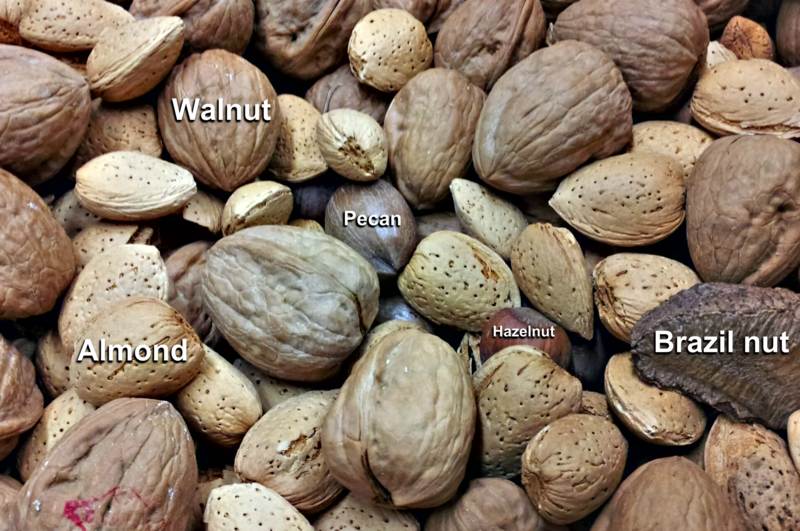
Hazelnuts , walnuts, macadamia nuts: According to the German Society of Nutrition (DGE) everyone should eat a handful of nuts every day. Because the small nuclei are true power packs and rich in valuable fatty acids, minerals, vitamins and trace elements. Each nut has its own strengths.

Nuts

Nuts reduce the risk of heart disease

These fatty acids, stressed the DGE with reference to controlled nutritional studies, have a positive effect on the cholesterol values , keep the vessels healthy and thus reduce the risk of arteriosclerosis and coronary heart disease. The regular consumption of nuts could even reduce the risk of a fatal heart attack by 39 percent and a non-fatal heart attack by 32 percent. A handful of nuts should be eaten daily according to the recommendation of the DGE. And the American Heart Association also recommends nuts as part of a healthy diet.

Macadamia nuts have the most omega fatty acids

All nuts contain omega-3 and omega-6 fatty acids, which help keep the vessels healthy. Macadamia nuts, however, have the highest percentage of these polyunsaturated fatty acids among all nuts. In addition, they are rich in B vitamins and minerals. But: Macadamia nuts also provide the largest calorie boost besides paranuts. 100 grams have about 700 kilocalories.

Walnuts are good vascularists
Walnuts
Walnuts

Walnuts also belong to the vascularists because they are rich in valuable linoleic acid: 100 grams contain 7.5 grams of the valuable fatty acid belonging to the family of omega-6 fatty acids. Walnuts also contain plenty of tryptophan, which is not only calming, but is also converted into serotonin in the body and is lighter in tone. Ample tryptophan is, incidentally, also contained in cashews, which count as almonds to the stone fruits.

Nuts prevent hot-throats

In addition to healthy fats, nuts also contain a lot of secondary crops, dietary fiber, vitamins, minerals and trace elements. They are also good protein suppliers. As a result, they saturate and defend themselves as intermediate snapshots of hot-hunger attacks. They also provide the body with energy and promote concentration.

Peanuts have a high protein content

A particularly high protein content of 25 percent has peanuts, which are actually not nuts, but belong to the pod fruits. They are, therefore, well suited as small nibbles, when hunger is knocking. Also almonds, strictly speaking, belong to the stone fruits, saturate and dampen the hunger for carbohydrates.

Paranuts and hazelnuts: a protective shield for the body

Also paranuts are not real nuts, but count to the capsule fruits. They contain a great deal of selenium: six nuts bring about the 63 micrograms of the nutrient. According to DGE, adult men should take 70 micrograms of selenium per day, women 60 micrograms. Selenium is an important protective shield against free radicals and strengthens the body's defenses. Vitamin E is also important for the defense of aggressive substances. Vitamin E is particularly rich in hazelnuts. 50 grams cover the daily needs of an adult.

Maroons are real fiber packages

Marons have the lowest fat and caloric content of all nuts: 100 grams are just 200 kilocalories. They contain more than 40 per cent of carbohydrates and almost 50 per cent of water. And: If you nourish 100 grams, you cover almost one third of your daily dietary fiber.

Incorrect storage makes nuts rancid

To keep the nuts fresh for as long as possible, keep them cool, dark, dry and well packed. Because of the high fat content, they become fast rancid. They then smell and taste not only bitter and modish, but also form degradation products, which are partly harmful to health and can cause gastrointestinal upsets.


Wednesday, 5 April 2017

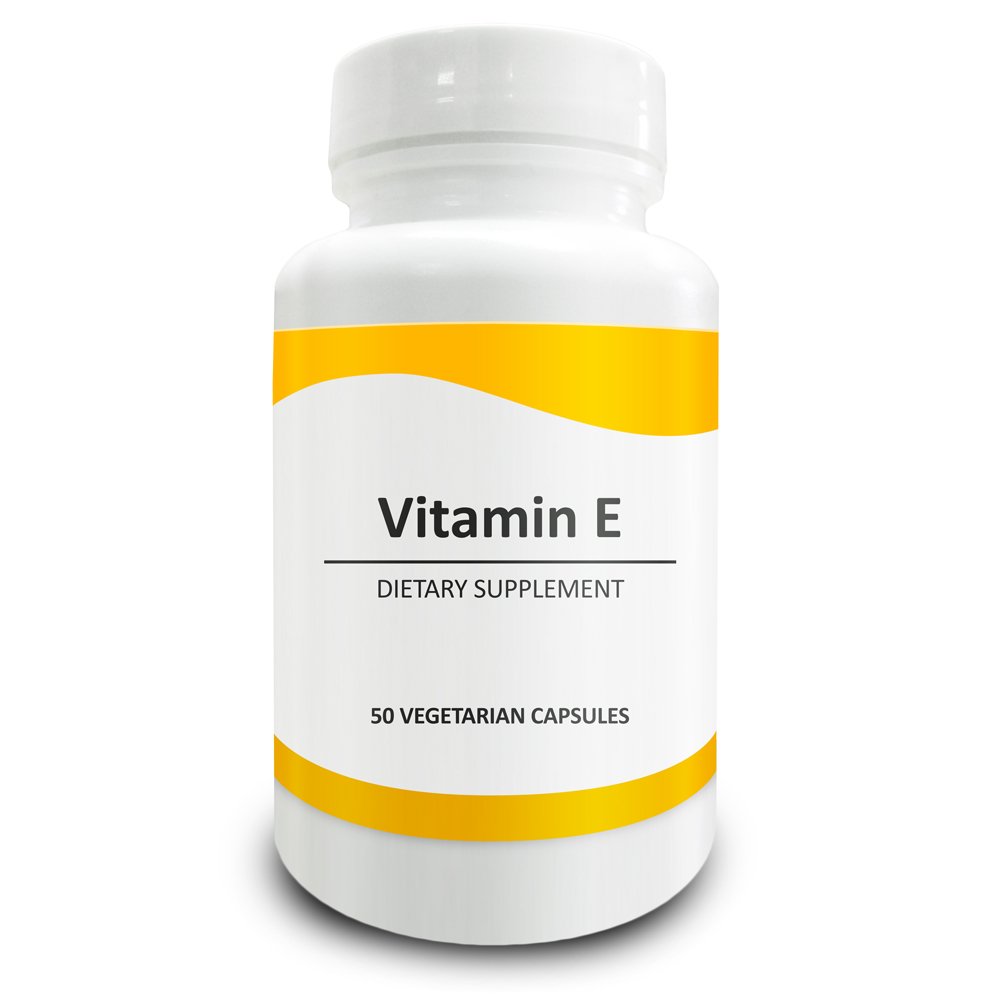
Benefits of Vitamin E

The vitamin E is considered "Vitamin Youth" given their properties and benefits in order to reduce the symptoms of impairment with advancing suffer over time. They emphasize its work like Antioxidant and to fight the Immunosupression that happens in the last stages of the life

What is Vitamin E?

It is a type of fat-soluble vitamin , that is, it accumulates in adipose tissue, for the body to resort to it as needed. In fact, vitamin E encompasses a group of 8 types of molecules divided into two groups:

Tocopherols

Tocotrienols

Of these, the alpha-tocopherol form is considered to be "vitamin E" itself, and tends to accumulate in non-hepatic tissues, particularly where the generation of free radicals, such as mitochondrial and reticulum membranes Endoplasmic of the heart and lungs.

Apart from offering protection against free radicals , reducing cellular oxidative damage, which can affect the integrity of the tissues that make up our body, there are many other functions associated with this vitamin so it is also involved in curbing the symptoms of Aging , resulting in substantially improving the outer appearance (skin), and of course, the normal function of the organs of the organism; Regulation of immune function, maintenance of endothelial cell integrity and normal coagulation balance.

What are the Properties of Vitamin E?

Vitamin E, because it can oxidize within the body, acts as a kind of "bodyguard" for other substances because it acts as an antioxidant because, when destroyed, it protects from the destruction by oxygen of polyunsaturated fats and other soluble substances In fat such as vitamin A.

There are many benefits of vitamin E, because in the body, this vitamin exerts numerous functions such as assisting in the formation of red blood cells and assist in regulating the synthesis of prostanoids , which are important compounds in the processes of reproduction; For this reason has long been considered this vitamin as the vitamin of fertility.


Benefits of Vitamin E
Vitamin E

Where is Vitamin E found?

Among the most important sources where to have this vitamin are:


  • Vegetable oils , such as olive, sunflower , or safflower
  • Whole grains , such as barley, wheat germ, or oats
  • Yolk
  • Fruits such as Avocado and Papaya
  • Milk and butter
  • Liver
  • Legumes , such as peanuts, beans, or chickpeas
  • Nuts , especially almonds and walnuts
  • Seeds such as sunflower or chia
  • Green leafy vegetables such as spinach, kale, or Swiss chard
  • Fish  (mostly blue) such as swordfish or trout and herring


Benefits of Vitamin E

Antioxidant Action

It is undoubtedly one of the greatest benefits that this vitamin contributes to enhance our health. In particular, its field of action takes place in neutralizing the effect of the free radicals, which are unstable molecules, due to their atomic imbalance and that therefore they seek to recover it from other adjoining cells. "Roban" electrons, negatively modifying the behavior of said cell to which these elements are sustained, and that could even conclude with cell death. This condition results in a chain reaction that expands throughout the tissues.

Vitamin E exerts a strong antioxidant effect especially important in the lungs, where the cells are exposed to high concentrations of oxygen that can damage them. In addition to protecting red blood cells that are responsible for transporting oxygen to all of the body, so does the white cells, which are responsible for defending the body against certain diseases, so that it can boost the immune system.

VITAMIN E
Alpha-Tocopherol. Powerful Antioxidant. Helps maintain an optimal level of health. 


Appearance of the Skin

Vitamin E offers a very important role for the maintenance of the state of the skin . Strengthens the lining of the blood capillaries of the skin, improving the support for hydration and promote its elasticity. Another outstanding effect is to reduce inflammation at the cellular level and to be translated into a younger skin aspect.

Continuous exposure to the sun's ultraviolet rays, as well as to other external agents, such as fumes (tobacco, environmental contamination), are factors that cause a deterioration of the skin, especially in the appearance of spots and wrinkles, and even other Signs like acne and eczema. Vitamin E contributes to a rapid regeneration of the tissue of the epidermis (the outermost layer of the skin), producing a more effective healing of the damaged tissue.

The skin is the true reflection of time, from marks because of our appearance (weight gain, pregnancy), stretch marks, wrinkles, scars ... All these problems can be improved by vitamin E.

Strengthening Hair

The fragility and fall of the hair are two very important aspects to which they are usually given enough importance, given their close relationship with our appearance. In such a case, regular use of vitamin E can help us mitigate these problems.

The main mechanism of help is, as we have seen, reduce the effect of free radicals that cause damage to the scalp, maintaining the health of the fonts, as it improves blood circulation to this area, stimulating stronger hair growth And healthy.

Another cause of hair loss is related to excessive oil production or imbalance in pH levels of the scalp, because if it stays dry, the sebaceous glands will be forced to produce more oil than necessary, clogging The hair follicles. This leads to other problems like itchiness and dandruff, and finally hair loss.

Hormone Regulation

Vitamin E also affects the endocrine and nervous system, exerting a modulating action to regulate the hormonal balance. It is necessary to emphasize that the normal development of the nerves depends on the vitamin E.

Among other effects, the implication of vitamin E and the hormonal balance can be reflected in:


  • Symptoms of Menstrual Syndrome: reduction of pain, anxiety, sweet desires ... Also entails its regulation
  • Weight gain, fluid retention
  • Allergies
  • Skin changes
  • Feeling of fatigue
  • Anxiety Pictures


More benefits of Vitamin E

Another of the benefits of vitamin E is its involvement in energy production , synthesis of deoxyribonucleic acid (DNA) and ribonucleic acid (RNA). Due to its great ability to act as an antioxidant, it protects the cell membranes from oxidation and is speculated with its favorable effects against cancer or heart disease.

As the latest research , vitamin E may be a treatment to curb Alzheimer's disease.

Vitamin E Deficiency

The symptoms of Vitamin E deficiency are not very obvious, besides the diagnosis is complicated due to the role of the mineral selenium in the metabolism of this vitamin.

Suspicious symptoms of vitamin E deficiency include:


  • Muscular weakness,
  • Increased destruction of cell membranes,
  • Abnormal arrangement of fat in muscles,
  • Rupture of red blood cells.
  • Toxicity


Compared to other fat-soluble vitamins, vitamin E is relatively nontoxic when taken orally. Due to their popularity as a profertility agent and their supposed favorable actions on sexual potency, many people usually ingest doses well above the CDR and without negative effects.

However, at high doses and for long periods of time, you can infer from the activity of vitamin K, which could lead to problems with blood clotting.

Recommended Dosage of Vitamin E

The recommended daily amount CDR, is 30 international units . But that dose is insufficient for the active people and, especially, for the athletes.

Athletes typically consume between 200 and 500 IU and when they recover from an injury or train at high altitudes, they often ingest 600 to 1200 IU because it favors the transport of oxygen in the blood and therefore compensates for the reduction that exists in the air At that altitude. People of greater size and weight better admit a higher dose of vitamin E.

Usefulness of Vitamin E in Sport

As with all vitamins, studies have shown that adequate intake of the vitamin contributes to the maintenance of optimal health and, therefore, is favorable for physical performance. However, there is evidence that a dose greater than that collected by the CDR in background or resistance athletes, as well as those forced to compete at altitudes above sea level helps to improve their brands.

It is of special interest for athletes to know that this vitamin has been shown to lower blood lactate levels and reduce the formation of certain waste products generated during exercise, as well as decreases cell damage caused by oxidation and maintains healthy muscle tissue .

In times of recovery from an injury or an operation, as well as in sports where heavy muscle is required, above-average intake of vitamin E favors recovery and muscle work, while reducing stiffness and Damage of the muscles.


Sunday, 5 March 2017

Hibiscus, the herb of glare

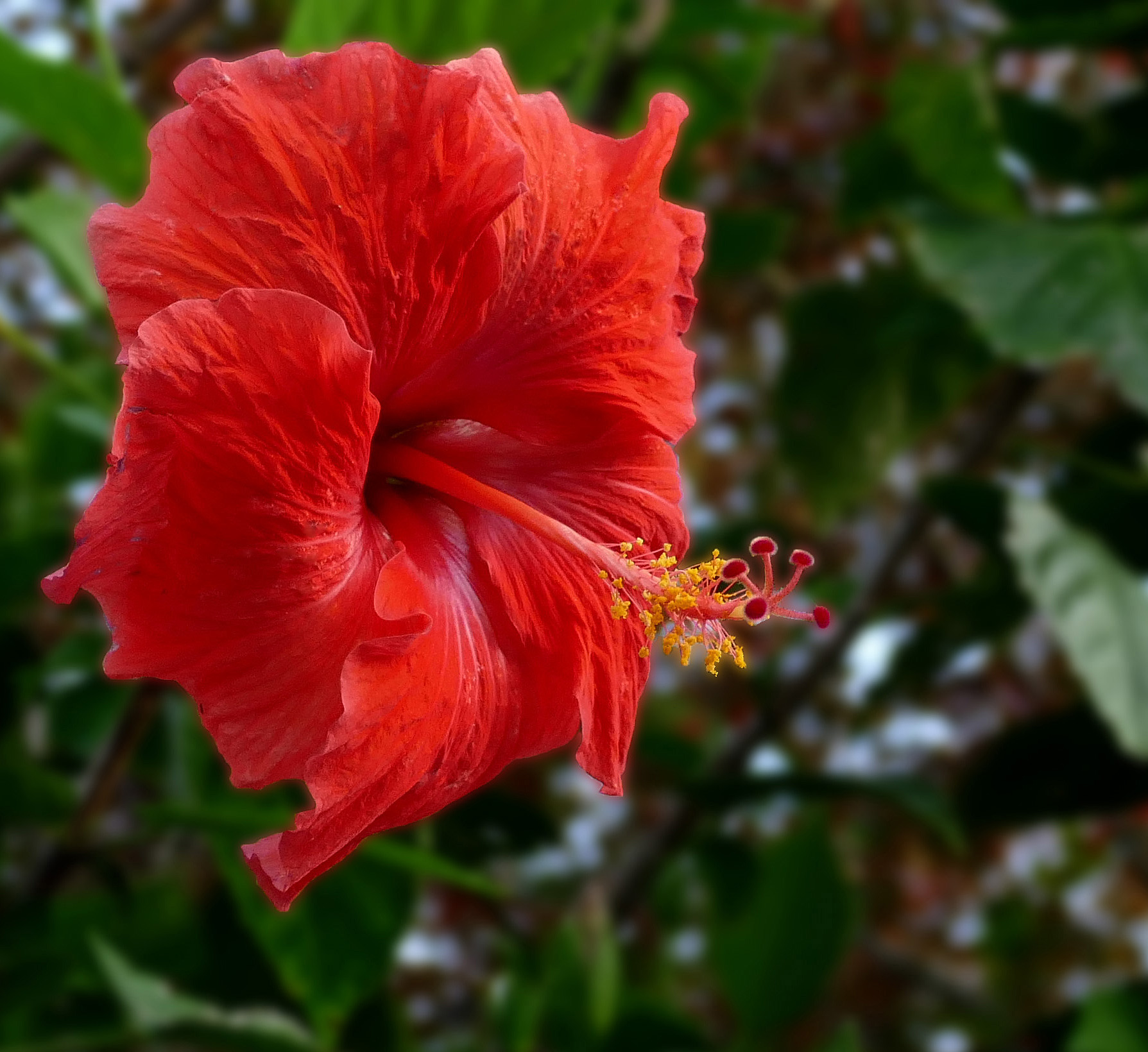
Very appreciated for its beauty and its bright colors, the hibiscus or althea is a treasure of benefits for the skin as for the hair. It moisturizes, nourishes, protects the epidermis from aging and gives shine to the hair by strengthening it.

A natural remedy from Africa

Nicknamed "sorrel of Guinea", the young leaves of hibiscus are consumed there as a vegetable. "And its flower of intense red is very much appreciated in infusion under the name of bissap (or carcadet, according to the regions), for its good acidulated taste. It has a high concentration of anthocyanins, highly red antioxidant red pigments . Hibiscus is also used for therapeutic purposes against hypertension, " says Émilie Jolibois, a specialist in natural ingredients. On the beauty side, African women use it in the form of oily macerate, which they apply as a hair mask, to strengthen their hair and give it volume.

Nutritive and moisturizing active ingredients

The hibiscus flower contains sugars with moisturizing action. "Integrated in a cosmetic care, they form a very thin film on the skin that attracts water into the epidermis," explains Émilie Jolibois. As for the oil, it is obtained by cold pressing the seeds of the plant. Rich in essential fatty acids, it is composed in particular of linoleic acid, which is very interesting for dry and fragile skins . It participates in the manufacture of ceramides, these small bricks which constitute the protective barrier of the skin. "Moreover, this oil is pleasant because soft to the touch, non-greasy and odorless. This allows to integrate it without difficulties in formulas of care for the skin ", adds the expert.

High dull anti-dyeing power

Hibiscus is known for its antioxidant qualities because, in addition to anthocyanins, it is rich in vitamin C and polyphenols. Thanks to them, it captures the free radicals, neutralizes them and protects the cells. "Inside the flower, we also find citric, malic and tartaric acids, better known as fruit acids," explains our expert. In an applied care on the skin, they eliminate the dead cells, responsible for a dull complexion, and thus stimulate the production of collagen. This makes it possible to regain radiance.

On the hair, they tighten the scales of the fiber and bring a lot of brilliance.

The inactivity is (really) bad for the heart and the silhouette

The inactivity is (really) bad for the heart and the silhouette

Decidedly, sedentary lifestyle is dangerous for health. According to a new British study, this bad habit would increase cardiovascular risk and waist circumference.

We know: sedentary lifestyle is bad for our health. When sitting all day behind a desk, our risk of developing heart failure, type 2 diabetes or (even!) A motor disability increases dramatically ...

In a new study published on Wednesday, March 1, 2017, researchers at the University of Warwick (UK) warn us again about sedentary lifestyle: this bad habit would also increase cardiovascular risk ... and larger wait circumference.

To reach this conclusion, the researchers worked with a panel of 111 British participants: 55 of them had a mainly sedentary job (our Anglo-Saxon neighbors talk about "desk job") while the other 56 were rather active ( They distributed the mail). No volunteer smoked, had a cardiovascular history, or had medical treatment.

Do 15,000 steps during the day or stand for 7 hours?

Result? There were notable differences between the two groups: the sedentary had an average waist circumference of 97 cm, compared with an average of 94 cm for active volunteers. The body mass index (BMI) of the sedentary population was also one point higher than that of the active population. Finally, the cardiovascular risk of sedentary patients was estimated to be 2.2% versus "only" 1.6% for participants who moved all day.

"After 5 hours of inactivity, each additional hour increases the waist circumference by about 2 cm and the cardiovascular risk by 0.2%. There is also an increase in cholesterol and triglyceride levels in the blood,  "adds the scientists, whose findings were published in the journal International Journal of Obesity. "Ideally, to stay healthy, you would have to walk 15,000 steps a day or stand 7 hours a day. "An almost impossible challenge when working in a company ...

source

Friday, 3 March 2017

Super Foods That Boost Immunity

A super food contains a variety of nutrients that fight disease, is readily available, economical and delicious, without the need for salty or added fat seasoning, says Pittsburgh Sports Dietitian and Academy of Nutrition and Dietetic Door Heather Mangieri. Super-foods boost immunity and provide the nutrients your body needs to defend not only viruses and infection but also help your body fight off immune-related diseases such as arthritis. They may even help prevent certain types of cancer, according to the American Dietetic Association. We all want to do our utmost to protect ourselves from getting sick, especially when the cold and flu season is rolling around.

1 Blueberries

Powerful blueberries punch pack stimulate the immune system. Blueberries are low in calories, high in fiber and a good source of vitamin C and manganese. They are also rich in polyphenols, which in addition to being powerful antioxidants, also have anti-inflammatory properties. In addition, researchers have isolated a compound in blueberries called pterostilbene, which in combination with vitamin D increases expression of the cathelicidin antimicrobial peptide, or the CAMP gene, which is involved in immune function. A cup of blueberries can help your nutrient intake for immune health.

2 Honey

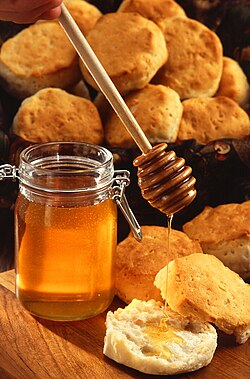
Honey has been used for medicinal purposes since ancient times. High sugar content, honey acidity and a set of phytochemicals are believed to be the elements that help fight bacteria such as E. coli and Staphylococcus aureus. It is also used topically to repair wounds, and when ingested, can help repair gastric ulcers and reduce inflammation. You need 1 to 5 tablespoons of raw (unpasteurized) honey a day to get the medicinal benefits. Use it in place of other sweeteners in baked goods, hot cereals and tea to get your daily dose for health. (Children under one year of age and those with weakened immune systems should not consume raw honey.)

3 Mushrooms

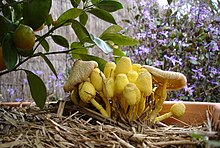
Mushrooms are low in calories and rich in a number of health-promoting nutrients including B vitamins, selenium, potassium and vitamin D. But there is a component called beta-glucan in mushrooms that helps to Strengthen your immune system and can also protect against cancer, as well as slow tumor growth. Shiitake, oyster mushrooms and split mushrooms are the best sources of beta-glucan. Consume one ounce, cooked or raw, one day to improve your nutrient intake.


4 Garlic

As a super food, garlic not only adds flavor to your favorite dishes without the need for fat or salt, but also the bioactive chemical called allicin. This chemical is believed to have antibacterial activity that can help you fight infections caused by Salmonella, Escherichia coli and Staphylococcus aureus. Getting more garlic in your diet can also help you fight the common cold, although the National Institute of Health says more research is needed before recommendations can be made. For immune health, a crude pod, crushed garlic a day should do it.

5 Green tea

Rich in potent antioxidants polyphenols, green tea can reduce your risk for a number of different types of cancer including lung, colon, stomach and pancreas. According to a review article published in "Chinese medicine," green tea polyphenols can also help fight the bacterium Helicobacter pylori - the bacterium that causes stomach ulcers. While green tea offers a number of immune promotion benefits, it is a source of caffeine and drinking too can affect the bioavailability of iron. One to two cups of green tea a day, you get the benefits without the adverse effects.


6 Yogurt Greek

Greek yogurt is a thick and creamy fermented snack loaded with bacteria known as probiotics. These microorganisms improve your body's ability to fight infection, reduce inflammation and decrease the growth of harmful bacteria in your gut. The benefits are not limited to just Greek yogurt, but are found in any yogurt with "live and active cultures" written on the label. One of which is 4 ounces to 6 ounces serving Greek yogurt a day not only fills your intestine With bacteria that improves immunity, but also allows you to meet your daily needs in calcium, vitamin D, potassium and protein.

7 Turmeric anti inflammatory Spice

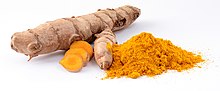
Its curcumin protects the cells from damage caused by free radicals and attenuates the responses of the organism during aggressions (anti-inflammatory). In addition to its well-known anticancer properties, it takes care of the intestines, decreases digestive disorders and removes gastroenteritis.

 How to make the most of it?
Only turmeric is poorly assimilated, it must be associated with a fat that favors its absorption and with black pepper whose piperine potentiates its effects, "advises Caroline Gayet, dietician. "Like all spices coming from far away countries, you have to take it organic to make sure it is free from pesticides and other pollutants," adds Dr. Chevallier. We also think of fresh curcuma, rhizome, peel and cut into small pieces.

1 pinch per day. Sprinkle with vinaigrettes, sauces, velvety sauce, simmered dishes


8 Lemon good on all fronts

It is rich in flavonoids, antioxidants protecting cells from free radicals, which weaken the body and make it more vulnerable to infections. It is also a good source of vitamin C, which enhances iron absorption, antifatigue, and limonoids that boost the immune system. In addition, it supports the functioning of the liver,responsible for detoxifying the organism.

How to make the most of it?
It is pressed in a glass of water. It is not heated too much, to preserve its vitamin C.

A little every day
A filet of lemon juice on a fish, in a vinaigrette, in a smoothie, a muesli, a fruit salad etc.


9 Antioxidant Pomegranate Juice

Tannins, anthocyanins, ellagic acid etc the pomegranate contains the amount of antioxidant molecules that Act in synergy. It is of interest to researchers for its antimicrobial, anti-inflammatory and anticancer actions. The juice is more interesting than  the whole fruit because by pressing, the antioxidants contained in the membranes are also extracted.

How to get the most out of it
Some pomegranate juices contain a lot of added sugar, "warns Dr. Chevallier. Caroline Gayet's

Tip: "Take a 100% pure juice and dilute it with a little water to reduce its acidity."

A glass every morning

10.Omega-3 fatty is supplied by fish
Good for the cardiovascular system, omega-3 also has an anti inflammatory action that prevents many diseases. They are found in certain oils(rapseed,nuts) and in all fatty fish. These, in addition, provide Vitamin D, which is also rare in the diet and important for the activation of the immune system.

Prefer small fish such as sardines or heering, less polluted than large fish like tuna at the end of the food chain. 1 or 2 per week.


Friday, 24 February 2017

Try these foods that reduce stress

Try these foods that reduce stress
A hard day at work, a house full of chores and children squabble can leave you feeling frazzled. You're tempted to reach for pretzels or chocolate, but you know it's not good to achieve something to eat when you are totally stressed out, right? Not always! Nutrition experts say that certain foods can actually help us to stay calm. Here are some of their suggestions fight against stress:

Start the day with breakfast
Skipping meals, especially the first of the day can leave you with cravings and extreme hunger that actually feed your stress, says Alison Acerra, RD, national director of nutrition and wellness for Guckenheimer, an organization of national food service. Tip: Reach for a healthy breakfast, complete with carbohydrate rich in fiber, healthy fats and lean proteins. Try whole grain cereals on top of greek yogurt with fruit and nuts.

Avoid blood sugar spikes
"When your sugar levels in the blood are unstable, your stress hormones go haywire, as well as your mood," says Susan Barendregt, a functional nutritionist in Viroqua, Wisconsin. "You want to reach for foods which will provide you with minerals and other nutrients needed to fuel the body's natural processes that maintain the balance. "

To keep the sugar levels in the blood in check, avoid sugary refined carbohydrate foods like cookies, cakes, white bread and muffins. Instead, go for foods with protein and healthy fats, which are satisfactory without doping your blood sugar. Have a salad with grilled chicken breast and avocado slices for lunch, and snack on nuts and seeds instead of chips. Plan to eat small meals (every three to four hours) which include a good source of protein, fiber and healthy fats.

Sip tea

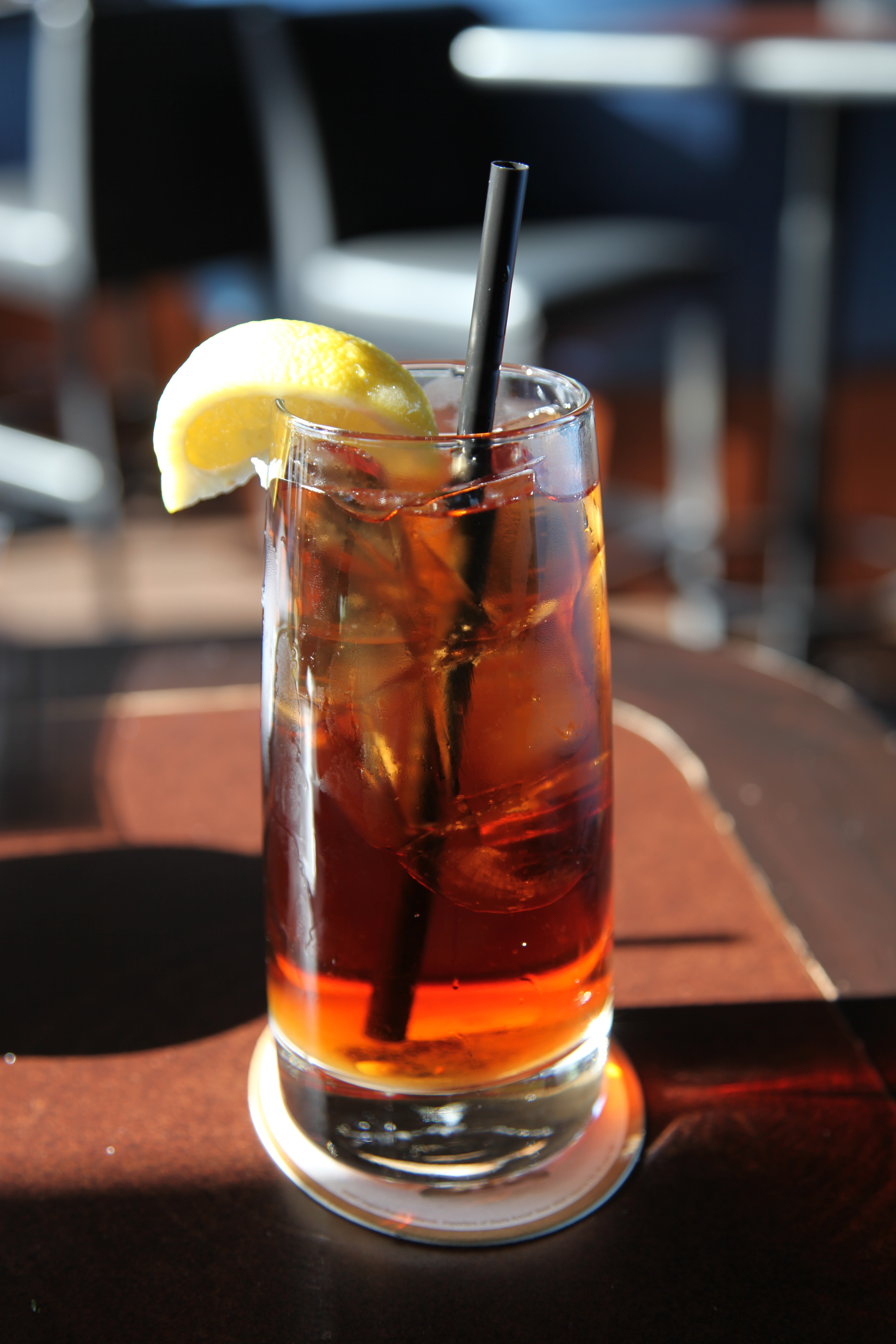
if you are stressed, skip the coffee and soda. Besides giving you the jitters, the high level of caffeine in these drinks can interfere with your normal sleep cycles, which will only worsen the stress you already feel, says Ivy Branin, a naturopathic doctor in New York . Instead, turn to tea, a cure study experienced symptoms of stress. Black tea has been shown to lower levels of cortisol, the brain "stress hormone", while the compounds in green tea may help blood sugar levels. And the researchers found that passion flower tea as effective in the fight against anxiety as a well known prescription drug.

Think vitamin C and B
foods such as citrus fruits and green leafy vegetables can help reduce the stress you feel because they support your adrenal glands. It is the manipulation of stress glands that are often taxed repeated and chronic stress, says Jenny Westerkamp, a nutritionist-dietitian authorized CJK Foods, healthy meal delivery service based in Chicago chef-designed.

Supply fish
Your seafood counter is another place to go for stress reduction. Salmon has high stores of protein and omega-3 fatty acids that help promote brain health and decrease cortisol production. Meanwhile, tasty shellfish - such as oysters, clams and crabs - are an excellent source of zinc, which helps to support the immune system and the adrenal glands.

Choose whole grain
products whole grain, such as brownrice, oats and wheat contain L-tryptophan, producing inserotonin essential amino acid (an essential substance that helps the andhappiness relaxation) and vitamins B key. Another big boost serotonin food: sweet potatoes, which are loaded with vitamin B6.

Top 10 benefits of turmeric health

Turmeric is a very common plant and is also known as turmeric longa. Turmeric contains wide range of antiviral, antioxidant, antifungal, antibacterial, anti-inflammatory, anti-cancer and anti-mutagenic properties. It is also loaded with many healthy nutrients and has been used as a potent anti-inflammatory in Indian medicine.
TURMERIC POWDER

Here are Top 10 benefits of turmeric:

1. improves digestion: Turmeric helps to stimulate the gallbladder as it is useful in the production of bile. Biles generation improves digestion and helps to reduce the symptoms of gas and bloating. Turmeric is beneficial in the treatment of ulcerative colitis. People who suffer from all forms of gallbladder disease should not conume turmeric as it can worsen the condition. If you suffer from digestive problems and consume raw turmeric.

2. Relieves Arthritis : Since turmeric is a powerful anti-inflammatory, it is logical that this could help arthritis. Excluding that turmeric has antioxidant properties which helps destroy free radicals in the body that can damage cells of the body. Eat turmeric for moderate relief to soft seals pain and joint inflammation.

3. Control of Diabetes: Turmeric is used to treat diabetes and can moderate insulin levels. Turmeric improves glucose levels and increase the effect of medicines used to treat diabetes. Another useful benefits of turmeric helps reduce insulin resistance and may prevent type 2 diabetes When turmeric is combined with strong drugs, it can cause sugar levels in the blood known as hypoglycemia . So its always adiviced to consult a doctor before taking turmeric capsules.

4. Reduce cholesterol level: Turmeric can be used as a serum to reduce cholesterol levels. Even high cholesterol can lead to very serious health problems. Maintaining a constant level of cholesterol can prevent many cardiovascular diseases.

5. Boost Immunity: Turmeric contains a substance which is known as lipopolysaccharide, which can boost the immune system of the body. A strong immune system can reduce the risk od suffering from flu, cold and cough. If you do not want to suffer from these diseases than their best to mix 1 tablespoon of turmeric powder in a hot or warm milk and drink every day. Note that you should not consume water atleast half an hour to an hour after drinking milk.

6. Wound Care, AMD cut burns: turmeric act as an antibacterial agent and natural antiseptic and is very effective and used as a disinfectant. If you have a burn or cut that sprinkle turmeric powder on your wound and see how fast the affected area will be healed. Turmeric is very useful in repairing damaged skin that is used to treat psoriasis and other inflammatory skin diseases.

7. Weight loss: Turmeric is very beneficial in maintaining the ideal body weight. Turmeric contains important element that is useful for increasing the flow of galls and contributes to the breakdown of dietary fat. If you want to reduce weight using turmeric or if you want a natural treatment for obesity that add turmeric powder to your diet.

8. Prevention of Alzheimer's disease: Inflammation of the brain which can lead to cause cognitive disorders such as Alzheimer's disease. Turmeric is very useful for overall brain health because it helps to remove plaque buildup in the brain and helps to improve the flow of oxygen. Turmeric helps to slow the progression of Alzheimer's disease.

9. prevents cancer: Curcumin led to several changes at the molecular level that can help prevent and treat cancer perhaps. Turmeric has active components that help protect against radiation-induced tumors.

10. Prevent liver disease: Turmeric is known as a detoxifier of the natural liver. Turmeric is beneficial in increasing the production of vital enzymes. these vital enzymes in the blood helps to break down and reduce the toxins from the blood. Turmeric helps to improve blood circulation and all these facts helps to support good liver health.