|  News  |  Digital Products  |  Recipes  |  Shopping  |  Personal Care  |  Amazon Gift Ideas
Showing posts with label Immunity. Show all posts

Thursday, 28 December 2023

3 Immunity Supplements You Should Avoid, Nutritionists Advise

 When it comes to food supplements, there is something to eat and drink! If you're hoping to improve your immunity, be aware that there are certain supplements to avoid, nutritionists warn. Find out which ones and why.


Food supplements may be indicated in cases of nutritional deficiency, reduced immunity, fatigue, hair loss. It can also be a way to boost brain functions, improve the appearance of the skin or even relieve the digestive system.

Food supplements do not exempt you from having a balanced diet. Nutrients are found above all on our plates.

With the arrival of winter, many of you resort to food supplements to boost the immune system and escape viruses.

American nutritionists warn us about certain food supplements through an interview given to our colleagues at Eating Well . They remind us that supplements should always complement a healthy diet . A balanced diet will provide you with the vitamins and minerals needed to support the immune system .

A healthy lifestyle is essential to support the immune system

If your immune system is healthy, it will be easier to fight viruses , bacteria or other disruptive elements ,” explains Chelsea LeBlanc, RDN, LD, a registered dietitian based in Nashville, Tennessee (USA).

However, if you have a poor lifestyle, your immune system risks being compromised. And he will no longer be able to offer you protection. “  Your immune system is involved in more areas than you realize, far beyond just protecting against illnesses like colds, flu and viruses  ,” explains Bonnie Taub-Dix, RDN, registered dietitian. and author of Read It Before You Eat It . “ A healthy immune system can also help you recover from illness more quickly and reduce inflammation . Your immune system is also thought to play a role in longevity and disease prevention  ”?

Eating a healthy diet , getting enough sleep, combating stress, and exercising regularly are the main ways you can help support your immune health. American dietitians also draw our attention to 3 supplements that you should not take if you want to maintain good immunity.


Beware of oregano oil

Be careful with oregano oil. It is extracted from the leaves of oregano and is available in liquid or capsule form. Oregano oil has been used medicinally for years to treat countless illnesses. It is also used as a natural food preservative due to its antioxidant and antimicrobial properties, according to a 2019 study in the International Journal of Nutrition.

However, human trials are lacking to determine whether it is actually effective in supporting immunity. A 2020 meta-analysis published in Phytotherapy Research examining primarily animal studies showed that oregano oil effectively reduced certain inflammatory markers. However, other research, such as a 2020 study in the Journal of Virology, showed no effect against the flu. Stick to sprinkling the dried or fresh herb on your food rather than taking a supplement.


Colloidal silver may interact with certain medications

Colloidal silver is composed of silver particles, touted as a panacea against infections and wounds. However, health experts and the National Center for Complementary and Integrative Health warn: “ There are many false claims about the health benefits of taking colloidal silver, particularly its antimicrobial properties. There is insufficient evidence to support these claims  .”

The FDA warns that colloidal silver can be dangerous and has not been proven effective. “  I don't recommend anyone taking colloidal silver because it can be harmful in high doses and interact negatively with many medications  ,” says Kristen Carli, MS, RD, also a registered dietitian.


Echinacea, potentially harmful in cases of autoimmune diseases

Echinacea is a popular ingredient in cold and flu products. Echinacea is available in almost all forms: syrup, powder, throat lozenge, tea bag, capsule and gum.

Echinacea comes from a plant and is known for its infection-fighting powers. Some people rely on echinacea, but studies have shown mixed results on whether it can be trusted. Additionally, echinacea may interfere with certain health conditions such as autoimmune diseases.

A 2019 meta-analysis of 29 studies published in Complementary Therapies in Medicine found no significant benefit when echinacea was used to prevent or treat upper respiratory infections.


Focus on the right foods

Instead of relying on supplements when winter comes, focus on nutrient-dense foods . Focus on vitamins C and D, products rich in zinc and antioxidants that act as front-line defenders and help your body fight disease. Most vitamin C is found in oranges, grapefruit, kiwis, strawberries, peppers and broccoli. Vitamin D is hidden in foods such as salmon, eggs, yogurt and milk. As for lentils, chickpeas and cashews, they are good sources of zinc.


“ You can never go wrong with adding more fruits and vegetables to your diet ,” adds Bonnie Taub-Dix.

Fruits and vegetables are full of nutrients that support the immune system and can also be considered a main dish and not just a side dish.

“ The key is not to wait until you have a cold or feel exhausted to start adding these foods to your diet. These foods in a daily diet can help you stay more resilient throughout the year ,” adds the expert.



Friday, 3 March 2017

Super Foods That Boost Immunity

A super food contains a variety of nutrients that fight disease, is readily available, economical and delicious, without the need for salty or added fat seasoning, says Pittsburgh Sports Dietitian and Academy of Nutrition and Dietetic Door Heather Mangieri. Super-foods boost immunity and provide the nutrients your body needs to defend not only viruses and infection but also help your body fight off immune-related diseases such as arthritis. They may even help prevent certain types of cancer, according to the American Dietetic Association. We all want to do our utmost to protect ourselves from getting sick, especially when the cold and flu season is rolling around.

1 Blueberries

Powerful blueberries punch pack stimulate the immune system. Blueberries are low in calories, high in fiber and a good source of vitamin C and manganese. They are also rich in polyphenols, which in addition to being powerful antioxidants, also have anti-inflammatory properties. In addition, researchers have isolated a compound in blueberries called pterostilbene, which in combination with vitamin D increases expression of the cathelicidin antimicrobial peptide, or the CAMP gene, which is involved in immune function. A cup of blueberries can help your nutrient intake for immune health.

2 Honey

Honey has been used for medicinal purposes since ancient times. High sugar content, honey acidity and a set of phytochemicals are believed to be the elements that help fight bacteria such as E. coli and Staphylococcus aureus. It is also used topically to repair wounds, and when ingested, can help repair gastric ulcers and reduce inflammation. You need 1 to 5 tablespoons of raw (unpasteurized) honey a day to get the medicinal benefits. Use it in place of other sweeteners in baked goods, hot cereals and tea to get your daily dose for health. (Children under one year of age and those with weakened immune systems should not consume raw honey.)

3 Mushrooms

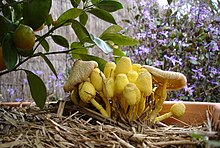
Mushrooms are low in calories and rich in a number of health-promoting nutrients including B vitamins, selenium, potassium and vitamin D. But there is a component called beta-glucan in mushrooms that helps to Strengthen your immune system and can also protect against cancer, as well as slow tumor growth. Shiitake, oyster mushrooms and split mushrooms are the best sources of beta-glucan. Consume one ounce, cooked or raw, one day to improve your nutrient intake.


4 Garlic

As a super food, garlic not only adds flavor to your favorite dishes without the need for fat or salt, but also the bioactive chemical called allicin. This chemical is believed to have antibacterial activity that can help you fight infections caused by Salmonella, Escherichia coli and Staphylococcus aureus. Getting more garlic in your diet can also help you fight the common cold, although the National Institute of Health says more research is needed before recommendations can be made. For immune health, a crude pod, crushed garlic a day should do it.

5 Green tea

Rich in potent antioxidants polyphenols, green tea can reduce your risk for a number of different types of cancer including lung, colon, stomach and pancreas. According to a review article published in "Chinese medicine," green tea polyphenols can also help fight the bacterium Helicobacter pylori - the bacterium that causes stomach ulcers. While green tea offers a number of immune promotion benefits, it is a source of caffeine and drinking too can affect the bioavailability of iron. One to two cups of green tea a day, you get the benefits without the adverse effects.


6 Yogurt Greek

Greek yogurt is a thick and creamy fermented snack loaded with bacteria known as probiotics. These microorganisms improve your body's ability to fight infection, reduce inflammation and decrease the growth of harmful bacteria in your gut. The benefits are not limited to just Greek yogurt, but are found in any yogurt with "live and active cultures" written on the label. One of which is 4 ounces to 6 ounces serving Greek yogurt a day not only fills your intestine With bacteria that improves immunity, but also allows you to meet your daily needs in calcium, vitamin D, potassium and protein.

7 Turmeric anti inflammatory Spice

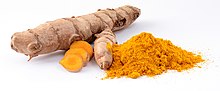
Its curcumin protects the cells from damage caused by free radicals and attenuates the responses of the organism during aggressions (anti-inflammatory). In addition to its well-known anticancer properties, it takes care of the intestines, decreases digestive disorders and removes gastroenteritis.

 How to make the most of it?
Only turmeric is poorly assimilated, it must be associated with a fat that favors its absorption and with black pepper whose piperine potentiates its effects, "advises Caroline Gayet, dietician. "Like all spices coming from far away countries, you have to take it organic to make sure it is free from pesticides and other pollutants," adds Dr. Chevallier. We also think of fresh curcuma, rhizome, peel and cut into small pieces.

1 pinch per day. Sprinkle with vinaigrettes, sauces, velvety sauce, simmered dishes


8 Lemon good on all fronts

It is rich in flavonoids, antioxidants protecting cells from free radicals, which weaken the body and make it more vulnerable to infections. It is also a good source of vitamin C, which enhances iron absorption, antifatigue, and limonoids that boost the immune system. In addition, it supports the functioning of the liver,responsible for detoxifying the organism.

How to make the most of it?
It is pressed in a glass of water. It is not heated too much, to preserve its vitamin C.

A little every day
A filet of lemon juice on a fish, in a vinaigrette, in a smoothie, a muesli, a fruit salad etc.


9 Antioxidant Pomegranate Juice

Tannins, anthocyanins, ellagic acid etc the pomegranate contains the amount of antioxidant molecules that Act in synergy. It is of interest to researchers for its antimicrobial, anti-inflammatory and anticancer actions. The juice is more interesting than  the whole fruit because by pressing, the antioxidants contained in the membranes are also extracted.

How to get the most out of it
Some pomegranate juices contain a lot of added sugar, "warns Dr. Chevallier. Caroline Gayet's

Tip: "Take a 100% pure juice and dilute it with a little water to reduce its acidity."

A glass every morning

10.Omega-3 fatty is supplied by fish
Good for the cardiovascular system, omega-3 also has an anti inflammatory action that prevents many diseases. They are found in certain oils(rapseed,nuts) and in all fatty fish. These, in addition, provide Vitamin D, which is also rare in the diet and important for the activation of the immune system.

Prefer small fish such as sardines or heering, less polluted than large fish like tuna at the end of the food chain. 1 or 2 per week.