|  News  |  Digital Products  |  Recipes  |  Shopping  |  Personal Care  |  Amazon Gift Ideas
Showing posts with label Food. Show all posts

Friday, 29 December 2023

What is papad indian food


Papad, also known as papadum, is a thin, crisp disc-shaped Indian food product that is typically made from seasoned dough, and it has a fascinating history dating back centuries.


Ancient Origins:

The exact origins of papad are challenging to trace, but it is believed to have originated in the Indian subcontinent over a thousand years ago. The process of making papad is ancient, and historical texts reference similar foods.

Indian Influence:

Papad has deep roots in Indian cuisine and is a staple in many households. It is made from various ingredients such as lentil flour, chickpea flour, black gram flour, rice flour, or a combination of these. Spices and herbs are often added to the dough for flavor.

Culinary Tradition:

Papad has been an integral part of Indian culinary traditions, featuring prominently in meals across the country. It is often served as an accompaniment or appetizer and is known for its versatility in flavor and texture.

Regional Variations:

Different regions of India have their own variations of papad, reflecting the diverse culinary practices across the subcontinent. For example, the famous "urad dal papad" is made from black gram flour and is a popular variety in North India, while "pappadam" in South India is often made from lentil flour.

Cultural Significance:

Papad holds cultural significance in Indian households and is often made during special occasions or festivals. It is not only a delicious addition to meals but also an element of cultural identity, passed down through generations.

International Spread:

As Indian cuisine gained popularity globally, so did papad. Today, you can find papad in many international grocery stores, and it is enjoyed by people around the world. Its thin, crispy texture and unique flavors have contributed to its appeal in diverse culinary settings.

Commercial Production:

While papad has been traditionally made in homes, the demand for it has led to commercial production. Many companies now manufacture and distribute papad on a large scale, offering various flavors and types to cater to different preferences.

Modern Innovation:

In addition to the traditional varieties, modern chefs and food enthusiasts have explored innovative approaches to papad. There are now flavored papads, incorporating ingredients like black pepper, cumin, garlic, and even spinach, providing a contemporary twist to this ancient culinary delight.

In conclusion, the history of papad is a rich tapestry woven into the fabric of Indian culinary heritage. From its humble beginnings in traditional kitchens to its global presence today, papad continues to be a beloved and versatile food item that has stood the test of time.

Friday, 8 December 2017

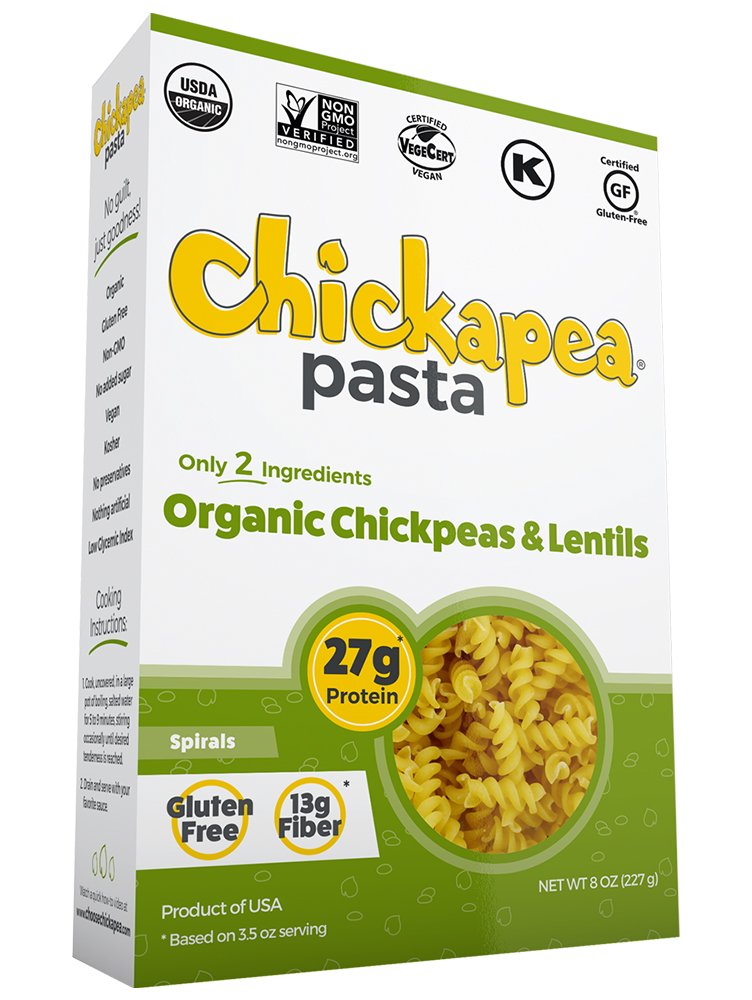
Chickapea Organic Chickpea and Red Lentil Pasta

Chickapea Organic Chickpea and Red Lentil Pasta

Chickapea Organic Chickpea and Red Lentil Pasta

What Chickapea Pasta says: "Only 2 ingredients: chickpeas and organic lentils."

That is true. These pasta made in the United States are composed only of chickpea flour and red lentil flour. Just cook them in boiling salted water before eating them with the sauce of their choice.

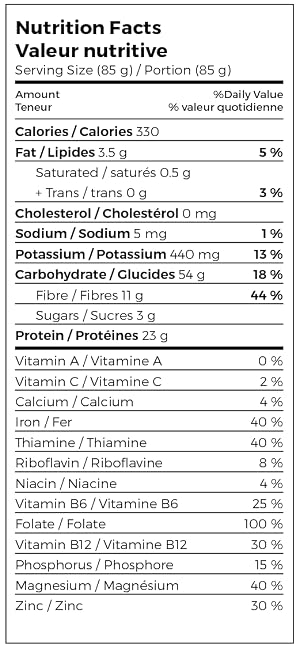
The list of ingredients is "very simple and short, made of whole foods little processed. These pasta have a higher nutritional value than whole wheat pasta or other gluten-free pasta. "There's a lot of protein, fiber, vitamins and minerals.
Chickapea Organic Chickpea and Red Lentil PastaChickapea Organic Chickpea and Red Lentil Pasta

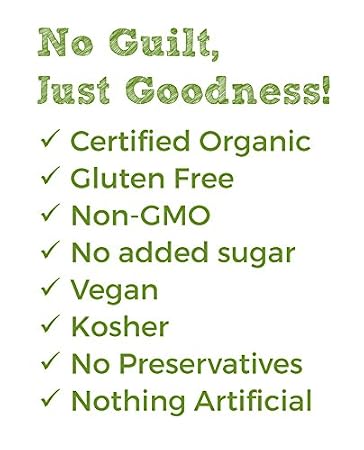
These pastas are certainly more satiating than white or brown pasta, with or without gluten. They are an asset to your table, especially if your guests usually raise their nose on legumes or if they are sensitive to gluten. Suggestion, if their strong taste does not seduce you, mix them with pasta of wheat.


Monday, 14 December 2015

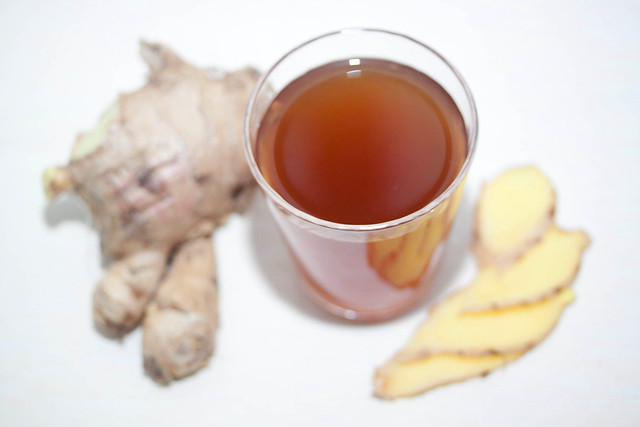
7 reasons why you should drink ginger tea & how to make ginger tea

Feel free to try this drink ginger will help to pass the autumn days without catching usual flu and colds.
Ginger-Tea

The benefits of ginger tea for health:

  • It strengthens the immune system
  • Accelerates recovery in case of illness
  • Reduces irritation of the stomach
  • On a positive impact on the nervous system
  • Stimulates intestines work, soothes flatulence
  • Stimulates circulation
  • It will warm you better than any cover

Ingredients:
  • 1 piece of fresh ginger (2-3 cm long)
  • 1 liter of water
  • 2 tablespoons honey
  • 1 lemon
Preparation:
Peel the ginger and cut into thin slices. Put the ginger in a pot of boiling water. Boil this aromatic root at least 15-20 minutes on low heat. Then put the pan off the heat and let stand for 5 minutes. Strain the liquid and then sweeten with honey and add lemon if you like.

You Will also like:

Wednesday, 19 February 2014

10 unique secrets of Carrots, which is useful to know

Forget about the pills with vitamin A! With wonderful orange vegetables - carrots - you get the necessary vitamin A, as well as a number of health benefits: your skin will be beautiful and young, and you can prevent the development of cancer. Here are a few things that you might not know about carrots.
10 unique benefits of Carrots

Health Benefits

1) Carrot improves eyesight

Positive effect on vision carrots long been proven. Carrots are rich in beta-carotene, which is converted in the liver into vitamin A. This vitamin is transformed in the inner layer of the eye in rhodopsin, the visual pigment needed for good night vision.
Beta-carotene also protects against macular degeneration and senile cataracts. Studies have shown that people who regularly eat carrots, 40 percent less likely to develop macular degeneration than those who eat this vegetable in small amounts.

2) Carrot helps prevent cancer

Research shows that carrots reduces the risk of developing lung cancer, breast and colon. Scientists have discovered a special substance - and falkarinol falkariniol - which is likely to have anti-cancer properties.
Falkarinol - a natural pesticide that allocates carrot to her roots were not affected by fungi. Carrot is almost the only product that contains this ingredient. Scientists have discovered that mice on third lower risk of developing cancer, if they regularly eat carrots.

3) Carrot helps fight aging

Beta-carotene in carrots works as an antioxidant and prevents the destruction of the cells through metabolism. It also slows down the aging of cells.

4) Carrot promotes healthy skin

Vitamin A and antioxidants protect the skin from the negative effects of UV. Lack of vitamin A in the body makes the skin, nails and hair dry. Vitamin A protects against premature wrinkles, acne, dry skin, age spots and bad complexion.

5) Carrots are a natural antiseptic

Connoisseurs of medicinal properties of herbs know that carrots can prevent the spread of infections. It can be applied to cuts in raw or cooked form.

6) Carrots makes skin beautiful

With the help of this vegetable can be inexpensive, but very effective facial mask. To do this, mix the grated carrots with honey, olive oil and lemon.

7) Carrot prevents heart disease

Studies have shown that a diet rich in carotenoids, helps reduce the risk of developing heart disease. In carrot contains not only beta-carotene, but alpha-carotene and lutein. Regular consumption of carrots also lowers cholesterol by the fact that the water-soluble fiber from carrots restricts the bile acid.

8) Carrot helps cleanse the body

Vitamin A helps the liver to remove toxins from the body. It also reduces the level of bile in the liver and fat. Fiber helps to cleanse the intestines carrots and accelerates the excretion of toxins.

9) Carrot heals the teeth and gums

Because the carrot is a solid vegetable, chewing at her teeth cleaned and oral cavity. Carrots like toothpaste and toothbrush cleans harmful plaque and remove food particles between teeth. When chewing carrots allocated a lot of saliva, which helps to regulate the acid-alkaline balance in the mouth and does not breed bacteria. Minerals contained in carrots, also protect the teeth from damage.

10) Carrot protects against stroke

According to research by Harvard University, people who consume more than six carrots a week are less likely to suffer a stroke than those who eat very little carrot -

1 piece a month or less.

Interesting facts about carrots

Rabbits love carrots, but too much they can not eat. For such a small animal, like a rabbit, a carrot - it's like for a man of 20! In carrot no white sugar, but contains natural sugar, which can cause digestive problems. Better to give rabbits carrot tops.

Carrot is the second most popular after potato vegetable.

The biggest carrot that has hit the record books - this carrot weighing about 9 kilograms and a length of about 6 meters!

There are about 100 varieties of carrots. Some of them are quite large, other small. They can vary in color: orange, purple, white, yellow and red.

In England of the 17th century, women wore hats carrot leaves instead of flowers or feathers.

How to eat carrots?

Nutrients in carrots are in very tight protein capsules, which are destroyed in the processing temperature of carrots, either through mechanical operations: grinding, squeezing juice, careful chewing. In this processing carotenoids become much more effective. Fats help absorb carotenoids, which are released into the bloodstream, as they dissolve in fats.